Giải đề Cambridge 20, Test 1, Reading passage 3: How stress affects our judgement
 IELTS LangGo
  24/06/2026



Bạn đang tìm kiếm đáp án chi tiết và cách làm bài hiệu quả cho Cam 20 - Test 1 - Reading passage 3 về chủ đề "How stress affects our judgement"? Bài viết này sẽ đưa bạn đi từ phân tích đề, giải đáp từng câu hỏi, đến cách học từ vựng thông minh – giúp bạn làm bài hiệu quả!
1. Phân tích đề Cambridge 20, Test 1, Reading passage 3: How stress affects our judgement
Đầu tiên chúng ta hãy cùng xem bài đọc cũng như các câu hỏi nhé:
How stress affects our judgement
Some of the most important decisions of our lives occur while we’re feeling stressed and anxious. From medical decisions to financial and professional ones, we are all sometimes required to weigh up information under stressful conditions. But do we become better or worse at processing and using information under such circumstances?
Một số quyết định quan trọng nhất trong cuộc đời chúng ta thường được đưa ra trong lúc căng thẳng và lo lắng. Từ những quyết định y tế đến tài chính và nghề nghiệp, đôi khi tất cả chúng ta đều phải cân nhắc thông tin trong điều kiện áp lực. Nhưng trong những hoàn cảnh như vậy, liệu chúng ta xử lý và sử dụng thông tin tốt hơn hay tệ hơn?
My colleague and I, both neuroscientists, wanted to investigate how the mind operates under stress, so we visited some local fire stations. Firefighters’ workdays vary quite a bit. Some are pretty relaxed; they’ll spend their time washing the truck, cleaning equipment, cooking meals and reading. Other days can be hectic, with numerous life-threatening incidents to attend to; they’ll enter burning homes to rescue trapped residents, and assist with medical emergencies. These ups and downs presented the perfect setting for an experiment on how people’s ability to use information changes when they feel under pressure.
Tôi và đồng nghiệp – cả hai đều là nhà thần kinh học – muốn tìm hiểu cách bộ não hoạt động khi chịu căng thẳng, nên chúng tôi đã đến các trạm cứu hỏa địa phương. Một ngày làm việc của lính cứu hỏa có thể rất khác nhau. Có những ngày khá thư thả – họ rửa xe cứu hỏa, lau chùi thiết bị, nấu ăn và đọc sách. Nhưng cũng có những ngày cực kỳ bận rộn, với hàng loạt vụ việc nguy hiểm đến tính mạng – họ phải vào những ngôi nhà đang cháy để cứu người mắc kẹt và hỗ trợ các ca cấp cứu. Những sự thay đổi như vậy tạo ra môi trường hoàn hảo cho một thí nghiệm về cách con người sử dụng thông tin khi chịu áp lực.
We found that perceived threat acted as a trigger for a stress reaction that made the task of processing information easier for the firefighters – but only as long as it conveyed bad news.
Chúng tôi phát hiện rằng cảm nhận về mối đe dọa kích hoạt phản ứng căng thẳng, giúp việc xử lý thông tin dễ dàng hơn – nhưng chỉ khi thông tin đó mang tin xấu.
This is how we arrived at these results. We asked the firefighters to estimate their likelihood of experiencing 40 different adverse events in their life, such as being involved in an accident or becoming a victim of card fraud. We then gave them either good news (that their likelihood of experiencing these events was lower than they’d thought) or bad news (that it was higher) and asked them to provide new estimates.
Đây là cách chúng tôi đi đến kết quả đó. Chúng tôi yêu cầu lính cứu hỏa ước lượng khả năng họ gặp phải 40 sự kiện bất lợi khác nhau trong đời, chẳng hạn như tai nạn hoặc bị lừa đảo thẻ. Sau đó, chúng tôi đưa cho họ tin tốt (khả năng đó thấp hơn họ nghĩ) hoặc tin xấu (cao hơn họ nghĩ), rồi yêu cầu họ ước lượng lại.
People are normally quite optimistic – they will ignore bad news and embrace the good. This is what happened when the firefighters were relaxed; but when they were under stress, a different pattern emerged. Under these conditions, they became hyper-vigilant to bad news, even when it had nothing to do with their job (such as learning that the likelihood of card fraud was higher than they’d thought), and altered their beliefs in response. In contrast, stress didn’t change how they responded to good news (such as learning that the likelihood of card fraud was lower than they’d thought).
Thông thường, con người khá lạc quan – họ bỏ qua tin xấu và đón nhận tin tốt. Khi lính cứu hỏa ở trạng thái thư giãn, điều này cũng xảy ra; nhưng khi họ căng thẳng, một mô hình khác xuất hiện. Trong tình huống đó, họ trở nên cực kỳ nhạy cảm với tin xấu, kể cả những thông tin không liên quan đến công việc (như biết rằng nguy cơ bị lừa đảo thẻ cao hơn họ nghĩ), và họ thay đổi niềm tin của mình dựa trên thông tin đó. Ngược lại, căng thẳng không ảnh hưởng đến cách họ phản ứng với tin tốt.
Back in our lab, we observed the same pattern in students who were told they had to give a surprise public speech, which would be judged by a panel, recorded and posted online. Sure enough, their cortisol levels spiked, their heart rates went up and they suddenly became better at processing unrelated, yet alarming, information about rates of disease and violence.
Tại phòng thí nghiệm, chúng tôi nhận thấy kết quả tương tự ở sinh viên được thông báo rằng họ phải phát biểu bất ngờ trước ban giám khảo, và bài nói sẽ được ghi hình, đăng tải lên mạng. Quả đúng như vậy, mức cortisol của họ tăng cao, tim đập nhanh, và họ đột nhiên trở nên giỏi hơn trong việc xử lý thông tin đáng lo ngại, như về bệnh tật hay bạo lực.
When we experience stressful events, a physiological change is triggered that causes us to take in warnings and focus on what might go wrong. Brain imaging reveals that this ‘switch’ is related to a sudden boost in a neural signal important for learning, specifically in response to unexpected warning signs, such as faces expressing fear.
Khi trải qua sự kiện căng thẳng, cơ thể kích hoạt phản ứng sinh lý khiến chúng ta tập trung vào cảnh báo và những điều có thể sai sót. Quét não cho thấy “công tắc” này liên quan đến sự gia tăng đột ngột của tín hiệu thần kinh quan trọng cho việc học, đặc biệt khi phản ứng với dấu hiệu cảnh báo bất ngờ như khuôn mặt thể hiện sự sợ hãi.
Such neural engineering could have helped prehistoric humans to survive. When our ancestors found themselves surrounded by hungry animals, they would have benefited from an increased ability to learn about hazards. In a safe environment, however, it would have been wasteful to be on high alert constantly. So, a neural switch that automatically increases or decreases our ability to process warnings in response to changes in our environment could have been useful. In fact, people with clinical depression and anxiety seem unable to switch away from a state in which they absorb all the negative messages around them.
Cơ chế thần kinh này có thể từng giúp tổ tiên chúng ta sinh tồn. Khi họ bị bao vây bởi thú săn mồi, khả năng nhận biết mối nguy tăng lên rõ rệt là một lợi thế. Tuy nhiên, trong môi trường an toàn, việc luôn cảnh giác sẽ lãng phí năng lượng. Do đó, một “công tắc thần kinh” có thể tự động bật/tắt khả năng xử lý cảnh báo tùy theo môi trường là điều hữu ích. Thực tế, những người bị trầm cảm hoặc lo âu dường như không thể tắt trạng thái này, khiến họ hấp thu mọi thông tin tiêu cực xung quanh.
It is also important to realise that stress travels rapidly from one person to the next. If a co-worker is stressed, we are more likely to tense up and feel stressed ourselves. We don’t even need to be in the same room with someone for their emotions to influence our behaviour. Studies show that if we observe positive feeds on social media, such as images of a pink sunset, we are more likely to post uplifting messages ourselves. If we observe negative posts, such as complaints about a long queue at the coffee shop, we will in turn create more negative posts.
Cũng cần nhận ra rằng căng thẳng lan rất nhanh giữa người với người. Nếu đồng nghiệp căng thẳng, ta cũng dễ trở nên căng thẳng theo. Thậm chí không cần ở cùng phòng – cảm xúc của người khác cũng có thể ảnh hưởng đến hành vi của ta. Nghiên cứu cho thấy khi ta thấy những bài đăng tích cực trên mạng xã hội, ta có xu hướng đăng bài vui vẻ hơn; ngược lại, nếu thấy phàn nàn hay tiêu cực, ta cũng dễ đăng nội dung tương tự.
In some ways, many of us now live as if we are in danger, constantly ready to tackle demanding emails and text messages, and respond to news alerts and comments on social media. Repeatedly checking your phone, according to a survey conducted by the American Psychological Association, is related to stress. In other words, a pre-programmed physiological reaction, which evolution has equipped us with to help us avoid famished predators, is now being triggered by an online post. Social media posting, according to one study, raises your pulse, makes you sweat, and enlarges your pupils more than most daily activities.
Theo một cách nào đó, nhiều người hiện nay sống như thể họ luôn trong tình trạng nguy hiểm – liên tục phản hồi email, tin nhắn, thông báo tin tức và bình luận mạng xã hội. Theo Hiệp hội Tâm lý học Hoa Kỳ, việc liên tục kiểm tra điện thoại có liên quan đến căng thẳng. Nói cách khác, phản ứng sinh học vốn giúp con người tránh thú dữ thời tiền sử nay lại bị kích hoạt bởi… một bài đăng mạng. Một nghiên cứu chỉ ra rằng việc đăng bài trên mạng xã hội khiến tim đập nhanh, toát mồ hôi, và giãn đồng tử nhiều hơn hầu hết các hoạt động thường ngày.
The fact that stress increases the likelihood that we will focus more on alarming messages, together with the fact that it spreads extremely rapidly, can create collective fear that is not always justified. After a stressful public event, such as a natural disaster or major financial crash, there is often a wave of alarming information in traditional and social media, which individuals become very aware of. But that has the effect of exaggerating existing danger. And so, a reliable pattern emerges – stress is triggered, spreading from one person to the next, which temporarily enhances the likelihood that people will take in negative reports, which increases stress further. As a result, trips are cancelled, even if the disaster took place across the globe; stocks are sold, even when holding on is the best thing to do. The good news, however, is that positive emotions, such as hope, are contagious too, and are powerful in inducing people to act to find solutions. Being aware of the close relationship between people’s emotional state and how they process information can help us frame our messages more effectively and become conscientious agents of change.
Thực tế rằng căng thẳng khiến ta tập trung hơn vào thông tin đáng sợ, cộng với việc nó lan rất nhanh, có thể dẫn đến nỗi sợ tập thể không hợp lý. Sau một sự kiện căng thẳng như thiên tai hay khủng hoảng tài chính, làn sóng thông tin tiêu cực trên truyền thông khiến mọi người càng cảnh giác, và điều đó lại khuếch đại cảm giác nguy hiểm. Kết quả là người ta hủy chuyến đi dù thảm họa ở tận nửa kia thế giới, bán cổ phiếu dù giữ lại mới là khôn ngoan. Tin tốt là cảm xúc tích cực – như hy vọng – cũng có khả năng lây lan mạnh mẽ và có thể thúc đẩy con người hành động để tìm giải pháp. Việc nhận thức rõ mối liên hệ giữa cảm xúc và cách con người xử lý thông tin có thể giúp chúng ta truyền tải thông điệp hiệu quả hơn và trở thành tác nhân thay đổi có ý thức.
Questions 27-30
Choose the correct letter, A, B, C or D.
27. In the first paragraph, the writer introduces the topic of the text by
-
defining some commonly used terms.
-
questioning a widely held assumption.
-
mentioning a challenge faced by everyone.
-
specifying a situation which makes us most anxious.
28. What point does the writer make about firefighters in the second paragraph?
-
The regular changes of stress levels in their working lives make them ideal study subjects.
-
The strategies they use to handle stress are of particular interest to researchers.
-
The stressful nature of their job is typical of many public service professions.
-
Their personalities make them especially well-suited to working under stress.
29. What is the writer doing in the fourth paragraph?
-
explaining their findings
-
justifying their approach
-
setting out their objectives
-
describing their methodology
30. In the seventh paragraph, the writer describes a mechanism in the brain which
-
enables people to respond more quickly to stressful situations.
-
results in increased ability to control our levels of anxiety.
-
produces heightened sensitivity to indications of external threats.
-
is activated when there is a need to communicate a sense of danger.
Questions 31-35
Complete each sentence with the correct ending, A-G, below.
A. made them feel optimistic.
B. took relatively little notice of bad news.
C. responded to negative and positive information in the same way.
D. were feeling under stress.
E. put them in a stressful situation.
F. behaved in a similar manner, regardless of the circumstances.
G. thought it more likely that they would experience something bad.
31. At times when they were relaxed, the firefighters usually
32. The researchers noted that when the firefighters were stressed, they
33. When the firefighters were told good news, they always
34. The students' cortisol levels and heart rates were affected when the researchers
35. In both experiments, negative information was processed better when the subjects
Questions 36-40
Do the following statements agree with the information given in Reading Passage 3?
YES if the statement agrees with the claims of the writer
NO if the statement contradicts the claims of the writer
NOT GIVEN if it is impossible to say what the writer thinks about this
36. The tone of the content we post on social media tends to reflect the nature of the posts in our feeds.
37. Phones have a greater impact on our stress levels than other electronic media devices.
38. The more we read about a stressful public event on social media, the less able we are to take the information in.
39. Stress created by social media posts can lead us to take unnecessary precautions.
40. Our tendency to be affected by other people's moods can be used in a positive way.
Phân tích đề và chiến lược làm bài:
Ở Passage này có 3 dạng câu hỏi chia thành 14 câu hỏi. Hãy cùng phân tích chiến lược làm bài của các dạng câu hỏi này nhé:
Dạng 1: Multiple choice:
- Step 1: Đọc câu hỏi, các lựa chọn và gạch chân keyword
- Step 2: Scan keyword trong bài và đọc thật kỹ đoạn có thông tin
- Step 3: Lựa chọn đáp án phù hợp
Note: Ở dạng này các bạn có thể áp dụng phương pháp loại trừ các đáp án không phù hợp trước thì sẽ dễ dàng hơn.
>>> Xem thêm: Hướng dẫn cách làm dạng bài Multiple choice IELTS Reading
Dạng 2: Matching statements
- Step 1: Đọc các phần trong danh mục và câu hỏi, gạch chân keyword
- Step 2: Scan keyword trong bài và đọc kỹ phần có thông tin
- Step 3: Lựa chọn phần phù hợp trong danh mục theo thông tin trong bài
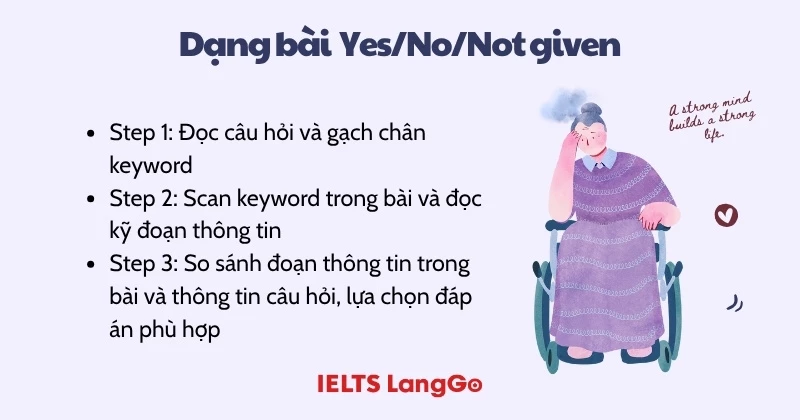
Dạng 3: Yes/No/Not given
- Step 1: Đọc câu hỏi và gạch chân keyword
- Step 2: Scan keyword trong bài và đọc kỹ đoạn thông tin
- Step 3: So sánh đoạn thông tin trong bài và thông tin câu hỏi, lựa chọn đáp án phù hợp
>>> Xem thêm: Cách làm dạng bài Yes/No/Not Given IELTS Reading
2. Chữa chi tiết đề Cambridge IELTS 20, Test 1, Reading passage 2
Đây là đáp án của các câu hỏi trong passage này:
| Answer | |
| 27. C | 34. E |
| 28. A | 35. D |
| 29. D | 36. YES |
| 30. C | 37. NOT GIVEN |
| 31. B | 38. NO |
| 32. G | 39. YES |
| 33. F | 40. YES |
Sau đây là phần giải chi tiết từng câu hỏi trong Cam 20 - Test 1 - Reading passage 3 với đáp án giải thích:
Question 27
Đáp án: C
Vị trí: Đoạn 1
Keywords câu hỏi:
27. In the first paragraph, the writer introduces the topic of the text by
-
defining some commonly used terms.
-
questioning a widely held assumption.
-
mentioning a challenge faced by everyone.
-
specifying a situation which makes us most anxious.
Keywords trong bài đọc: Some of the most important decisions of our lives occur while we’re feeling stressed and anxious. From medical decisions to financial and professional ones, we are all sometimes required to weigh up information under stressful conditions.
Giải thích:
- Đáp án C nói rằng ở đoạn 1, tác giả giới thiệu chủ đề bằng việc nhắc đến một thử thách mà tất cả mọi người phải đối mặt mà trong bài có nói chúng ta thường xuyên được yêu cầu xem xét thông tin dưới những điều kiện áp lực -> CHỌN
- Đáp án A nói rằng tác giả giới thiệu bằng việc đưa ra khái niệm của một vài thuật ngữ hay được sử dụng nhưng trong bài không đưa ra bất kỳ khái niệm hay định nghĩa nào -> LOẠI
- Đáp án B nói rằng tác giả giới thiệu bằng việc chất vấn một giả định phổ biến. Mặc dù cuối đoạn 1 có câu hỏi tuy nhiên câu hỏi này không chất vấn giả định nào mà chỉ đưa ra vấn đề của cả bài văn -> LOẠI
- Đáp án D nói rằng tác giả giới thiệu bằng việc cụ thể hoá một tình huống khiến chúng ta cảm thấy bồn chồn nhất nhưng trong bài không có thông tin -> LOẠI
Question 28
Đáp án: A
Vị trí: Đoạn 2
Keywords câu hỏi:
28. What point does the writer make about firefighters in the second paragraph?
-
The regular changes of stress levels in their working lives make them ideal study subjects.
-
The strategies they use to handle stress are of particular interest to researchers.
-
The stressful nature of their job is typical of many public service professions.
-
Their personalities make them especially well-suited to working under stress.
Keywords trong bài đọc: Firefighters’ work days vary quite a bit. Some are pretty relaxed; they’ll spend their time washing the truck, cleaning equipment, cooking meals and reading. Other days can be hectic, with numerous life-threatening incidents to attend to; they’ll enter burning homes to rescue trapped residents, and assist with medical emergencies. These ups and downs presented the perfect setting for an experiment on how people’s ability to use information changes when they feel under pressure.
Giải thích:
- Đáp án A nói rằng những thay đổi thường xuyên trong mức độ áp lực trong cuộc sống công việc của họ khiến họ trở thành những đối tượng nghiên cứu lý tưởng mà trong bài nói rằng những ngày làm việc của lính cứu hoả thay đổi tương đối và những sự thăng trầm đó trở thành bối cảnh hoàn hảo cho việc nghiên cứu những thay đổi khi họ cảm thấy áp lực -> CHỌN
- Đáp án B nói rằng những chiến lực họ dùng để giải quyết căng thẳng khiến những nhà nghiên cứu thích thú nhưng trong bài không nói thông tin -> LOẠI
- Đáp án C nói rằng tính chất căng thẳng của công việc của họ rất điển hình cho nhiều ngành nghề dịch vụ công cộng nhưng trong bài không đề cập đến -> LOẠI
- Đáp án D nói rằng tính cách của họ khiến họ đặc biệt phù hợp với việc làm việc dưới áp lực nhưng trong bài không có thông tin -> LOẠI
Question 29
Đáp án: D
Vị trí: Đoạn 4
Keywords câu hỏi:
29. What is the writer doing in the fourth paragraph?
-
explaining their findings
-
justifying their approach
-
setting out their objectives
-
describing their methodology
Keywords trong bài đọc: This is how we arrived at these results. We asked the firefighters to estimate their likelihood of experiencing 40 different adverse events in their life, such as being involved in an accident or becoming a victim of card fraud.
Giải thích:
- Đáp án D nói rằng tác giả miêu tả phương pháp của họ trong đoạn 4 mà trong đoạn 4 có nói tác giả hỏi lính cứu hoả để tính toán khả năng gặp 40 sự kiện bất lợi khác nhau trong cuộc đời họ -> CHỌN
- Đáp án A nói rằng tác giả giải thích những khám phá của họ nhưng đoạn 4 không giải thích mà phải ở đoạn 5 -> LOẠI
- Đáp án B nói rằng tác giả biện minh cho cách tiếp cận của họ nhưng trong bài không nói gì đến cách tiếp cận nào -> LOẠI
- Đáp án C nói rằng tác giả đặt ra mục tiêu của họ nhưng đoạn 4 miêu tả cách họ đạt được mục tiêu -> LOẠI
Question 30
Đáp án: C
Vị trí: Đoạn 7
Keywords câu hỏi:
30. In the seventh paragraph, the writer describes a mechanism in the brain which
-
enables people to respond more quickly to stressful situations.
-
results in increased ability to control our levels of anxiety.
-
produces heightened sensitivity to indications of external threats.
-
is activated when there is a need to communicate a sense of danger.
Keywords trong bài đọc: Brain imaging reveals that this ‘switch’ is related to a sudden boost in a neural signal important for learning, specifically in response to unexpected warning signs, such as faces expressing fear.
Giải thích:
- Đáp án C nói rằng tác giả miêu tả cơ chế trong não mà sản sinh sự nhạy cảm cao với những tín hiệu của mối đe doạ bên ngoài mà đoạn 7 có nói sự tạo hình ảnh trong não cho thấy sự chuyển đổi liên quan đến sự gia tăng đột ngột trong tín hiệu thần kinh, đặc biệt khi phản ứng với những tín hiệu cảnh báo bất ngờ -> CHỌN
- Đáp án A nói rằng cơ chế này cho phép mọi người phản ứng nhanh hơn với những tình huống căng thẳng nhưng trong bài không đề cập đến -> LOẠI
- Đáp án B nói rằng cơ chế này dẫn đến sự tăng cường trong khả năng kiểm soát mức độ lo lắng nhưng trong bài không đề cập đến -> LOẠI
- Đáp án D nói rằng cơ chế này được kích hoạt khi có nhu cầu giao tiếp về một cảm giác nguy hiểm nhưng trong bài không đề cập đến -> LOẠI
Question 31
Đáp án: B
Vị trí: Đoạn 5
Keywords câu hỏi:
At times when they were relaxed, the firefighters usually
B took relatively little notice of bad news.
Keywords trong bài đọc: People are normally quite optimistic – they will ignore bad news and embrace the good. This is what happened when the firefighters were relaxed; but when they were under stress, a different pattern emergedF
Giải thích: Câu hỏi hỏi khi thư giãn thì những người lính cứu hoả thường làm gì, mà trong bài có nói họ sẽ phớt lờ tin xấu, đồng nghĩa với việc họ chú ý ít đến những tin xấu.
Question 32
Đáp án: G
Vị trí: Đoạn 5
Keywords câu hỏi:
The researchers noted that when the firefighters were stressed, they
G thought it more likely that they would experience something bad.
Keywords trong bài đọc: [...] but when they were under stress, a different pattern emerged. Under these conditions, they became hyper-vigilant to bad news, even when it had nothing to do with their job (such as learning that the likelihood of card fraud was higher than they’d thought), and altered their beliefs in response.
Giải thích: Câu hỏi hỏi những nhà nghiên cứu ghi chú rằng khi những người lính cứu hoả bị căng thẳng, họ làm gì, mà trong bài lại nói khi họ căng thẳng, họ trở nên cảnh giác cao độ với tin xấu ví dụ như nhận ra rằng khả năng gian lận thẻ tín dụng cao hơn so với những gì họ nghĩ, đồng nghĩa với việc họ nghĩ rằng có khả năng là họ sẽ trải qua điều gì đó tệ
Question 33
Đáp án: F
Vị trí: Đoạn 5
Keywords câu hỏi:
When the firefighters were told good news, they always
F behaved in a similar manner, regardless of the circumstances.
Keywords trong bài đọc: In contrast, stress didn’t change how they responded to good news (such as learning that the likelihood of card fraud was lower than they’d thought).
Giải thích: Câu hỏi hỏi khi những người lính cứu hoả được nói cho tin tốt, họ luôn làm gì, mà trong bài có nói sự căng thẳng không làm thay đổi cách họ phản ứng với những tin tốt, đồng nghĩa với việc họ hành xử với thái độ giống nhau, không kể là trong tình huống nào.
Question 34
Đáp án: E
Vị trí: Đoạn 6
Keywords câu hỏi:
The students' cortisol levels and heart rates were affected when the researchers
E put them in a stressful situation.
Keywords trong bài đọc: Back in our lab, we observed the same pattern in students who were told they had to give a surprise public speech, which would be judged by a panel, recorded and posted online. Sure enough, their cortisol levels spiked, their heart rates went up and they suddenly became better at processing unrelated, yet alarming, information about rates of disease and violence.
Giải thích: Câu hỏi hỏi mức độ cortisol và nhịp tim của học sinh bị ảnh hưởng khi những nhà nghiên cứu làm gì, mà trong bài nói rằng những nhà nghiên cứu quan sát những học sinh được nói rằng họ phải đưa ra một bài nói bất ngờ trước công chúng và sẽ được đánh giá bởi một hội đồng, được ghi âm lại và đăng trực tuyến và mức độ cortisol của họ tăng vọt còn nhịp tim thì tăng lên, đồng nghĩa với việc những nhà nghiên cứu đặt họ vào một tình huống căng thẳng.
Question 35
Đáp án: D
Vị trí: Đoạn 6
Keywords câu hỏi:
In both experiments, negative information was processed better when the subjects
D were feeling under stress.
Keywords trong bài đọc: Back in our lab, we observed the same pattern in students who were told they had to give a surprise public speech, which would be judged by a panel, recorded and posted online. Sure enough, their cortisol levels spiked, their heart rates went up and they suddenly became better at processing unrelated
Giải thích: Câu hỏi hỏi trong cả hai thí nghiệm, thông tin tiêu cực được xử lý tốt hơn khi những đối tượng như thế nào, mà trong bài nói rằng khi mức độ cortisol tăng, nhịp tim tăng và họ đột nhiên cảm thấy giỏi hơn trong việc xử lý những thông tin không liên quan nhưng đáng báo động, đồng nghĩa với việc những đối tượng này đang cảm thấy căng thẳng.
Question 36
Đáp án: YES
Vị trí: Đoạn 9
Keywords câu hỏi: The tone of the content we post on social media tends to reflect the nature of the posts in our feeds.
Keywords trong bài đọc: Studies show that if we observe positive feeds on social media, such as images of a pink sunset, we are more likely to post uplifting messages ourselves.
Giải thích: Câu hỏi nói rằng giọng điệu trong nội dung bài đăng trên mạng xã hội thường phản ánh bản chất của bài đăng trên trang tin tức của họ mà trong bài có nói nếu chúng ta xem những bài đăng tích cực trên mạng xã hội thì chúng ta cũng dễ đăng những thông điệp tích cực.
Question 37
Đáp án: NOT GIVEN
Vị trí: Đoạn 7
Keywords câu hỏi: Phones have a greater impact on our stress levels than other electronic media devices.
Keywords trong bài đọc: Repeatedly checking your phone, according to a survey conducted by the American Psychological Association, is related to stress.
Giải thích: Câu hỏi nói rằng những cái điện thoại có ảnh hưởng lớn hơn đến mức độ căng thẳng hơn những thiết bị điện tử khác nhưng trong bài chỉ nói việc liên tục kiểm tra điện thoại liên quan đến sự căng thẳng nhưng không so sánh nó với những thiết bị khác.
Question 38
Đáp án: NO
Vị trí: Đoạn 11
Keywords câu hỏi: The more we read about a stressful public event on social media, the less able we are to take the information in.
Keywords trong bài đọc: After a stressful public event, such as a natural disaster or major financial crash, there is often a wave of alarming information in traditional and social media, which individuals become very aware of. But that has the effect of exaggerating existing danger. And so, a reliable pattern emerges – stress is triggered, spreading from one person to the next, which temporarily enhances the likelihood that people will take in negative reports, which increases stress further.
Giải thích: Câu hỏi nói rằng chúng ta đọc càng nhiều về một sự kiện công chúng căng thẳng trên mạng xã hội thì chúng ta càng ít khả năng tiếp nhận thông tin đó nhưng trong bài lại nói điều này làm tăng khả năng là mọi người sẽ tiếp nhận thông tin tiêu cực.
Question 39
Đáp án: YES
Vị trí: Đoạn 11
Keywords câu hỏi: Stress created by social media posts can lead us to take unnecessary precautions.
Keywords trong bài đọc: After a stressful public event, such as a natural disaster or major financial crash, there is often a wave of alarming information in traditional and social media, which individuals become very aware of. But that has the effect of exaggerating existing danger. And so, a reliable pattern emerges – stress is triggered, spreading from one person to the next, which temporarily enhances the likelihood that people will take in negative reports, which increases stress further. As a result, trips are cancelled, even if the disaster took place across the globe; stocks are sold, even when holding on is the best thing to do.
Giải thích: Câu hỏi nói rằng căng thẳng được tạo nên bởi những bài đăng trên mạng xã hội có thể khiến chúng ta tiếp nhận những cảnh báo không cần thiết mà trong bài nói rằng căng thẳng được châm ngòi nên mọi người tiếp nhận thông tin tiêu cực và kết quả là những chuyến đi bị huỷ kể cả khi thiên tai diễn ra ở bên kia địa cầu hay chứng khoán thì bị bán kể cả khi việc giữ lại là điều tốt nhất nên làm.
Question 40
Đáp án: YES
Vị trí: Đoạn 11 & 12
Keywords câu hỏi: Our tendency to be affected by other people's moods can be used in a positive way.
Keywords trong bài đọc: And so, a reliable pattern emerges – stress is triggered, spreading from one person to the next, which temporarily enhances the likelihood that people will take in negative reports, which increases stress further. [...] The good news, however, is that positive emotions, such as hope, are contagious too, and are powerful in inducing people to act to find solutions. Being aware of the close relationship between people’s emotional state and how they process information can help us frame our messages more effectively and become conscientious agents of change.
Giải thích: Câu hỏi nói rằng xu huống bị ảnh hưởng bởi cảm xúc của người khác có thể được sử dụng theo cách tích cực mà trong bài nói rằng việc lan truyền cảm xúc tích cực từ người khác có thể thúc đẩy hành động tích cực.
3. Học từ vựng hay trong bài đọc: How stress affects our judgement
IELTS LangGo sẽ giúp các bạn lọc ra một số từ vựng hữu ích từ bài đọc này:
- weigh up: cân nhắc
- under pressure: trong tình trạng áp lực
- cognitive processing: quá trình nhận thức
- hyper-vigilant: cực kỳ cảnh giác
- adverse: bất lợi
- spike: tăng mạnh
- prehistoric: tiền sử
- tense up: trở nên căng thẳng
- uplifting: truyền cảm hứng
- emotional resonance: sự cộng hưởng cảm xúc
- hazard awareness: nhận thức về nguy hiểm
- brain imaging: chụp ảnh não
- conduct an experiment: tiến hành thí nghiệm
- trigger: kích hoạt
- optimistic bias: xu hướng lạc quan
- neural signal: tín hiệu thần kinh
- exaggerate: phóng đại
Trên đây là phần giải đề Cam 20, Test 1, Reading passage 3: How stress affects our judgement. Hãy chú trọng vào việc chữa bài thật kỹ và hiểu sâu các vấn đề mình gặp phải khi làm sai hoặc phân vân bất kỳ một câu nào và cũng đừng quên học tập thêm các từ vựng hay, những cấu trúc ngữ pháp đặc sắc để tận dụng cho các phần thi khác của mình các bạn nhé!
>>> Các bạn có thể tham khảo:
BACK TO SCHOOL – Trúng Macbook Neo và hàng ngàn quà tặng khác

DEAL HỜI HẾT CỠ >> Dành riêng cho học viên đăng ký khóa học IELTS đến hết ngày 31/10
- Quay số trúng thưởng - Rinh MACBOOK xịn
- Giảm ngay 350.000đ khi đăng ký khóa 01 Level
- Ưu đãi học nhóm tới 250.000đ/ học viên
- Tặng ngay tài khoản Writing Xpert AI KHÔNG GIỚI HẠN